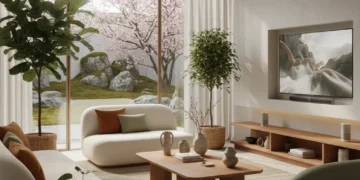
Create Your Calming Home: 7 Design Principles for a Peaceful Sanctuary
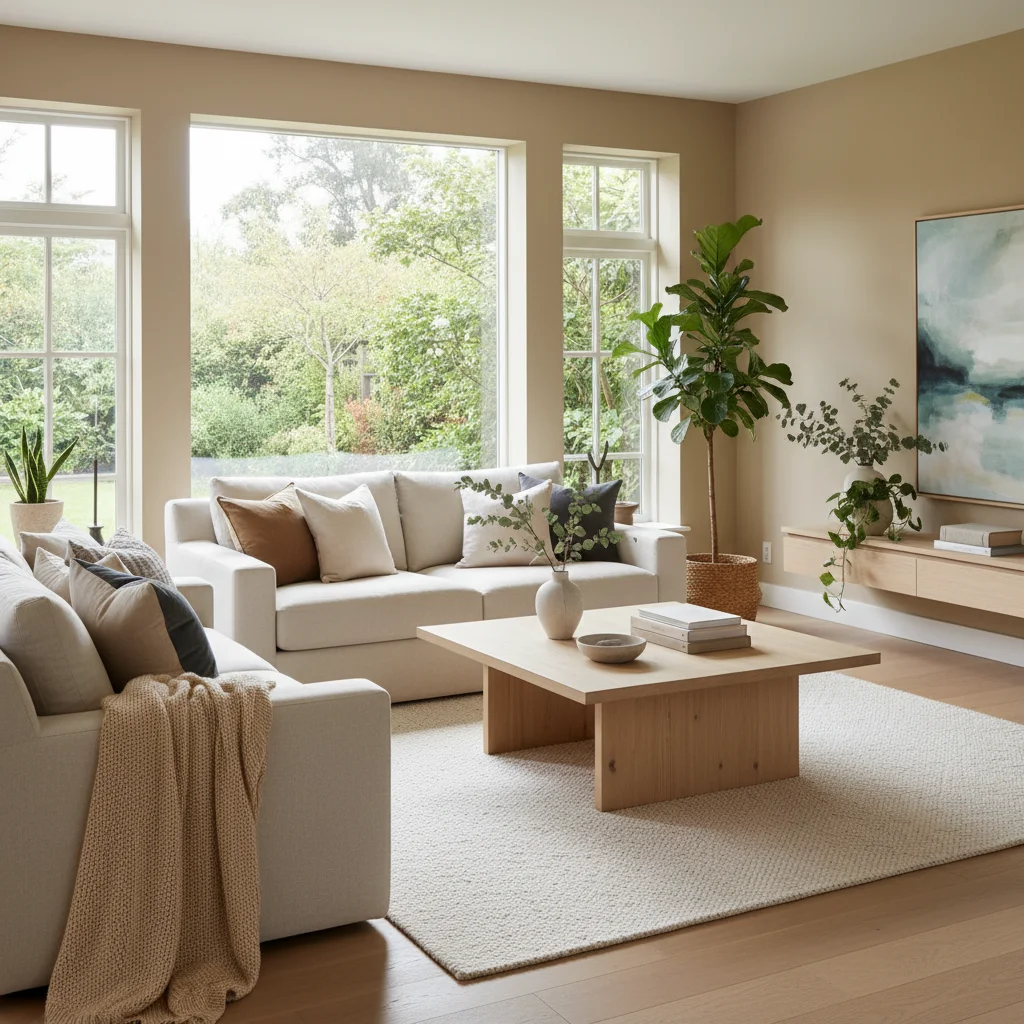
Create Your Calming Home: 7 Design Principles for a Peaceful Sanctuary
In our fast-paced, often overwhelming world, the concept of home has evolved beyond just a place to live; it’s become a much-needed sanctuary. A refuge where we can unwind, recharge, and find solace from the daily grind. But how do you intentionally design such a space? It’s not just about aesthetics; it’s about crafting an environment that genuinely supports your well-being. This article delves into 7 essential design principles to help you create a truly calming home design, transforming your living space into a haven of peace and tranquility.
The pursuit of a calming home is more relevant today than ever. Stress and anxiety are pervasive, and our homes should serve as an antidote. By thoughtfully applying specific design strategies, you can influence your mood, reduce stress, and foster a sense of serenity the moment you walk through your door. From the colors on your walls to the textures underfoot, every element plays a role in creating an atmosphere that promotes relaxation and mental clarity.
We’ll explore how to harness the power of natural elements, optimize lighting, declutter with purpose, and choose furnishings that invite comfort and ease. Whether you’re embarking on a full home renovation or simply looking to make a few impactful changes, these principles will guide you toward creating a space that nurtures your soul and supports a more peaceful existence. Let’s embark on this journey to design your ultimate sanctuary.
1. Embrace Natural Light and Strategic Illumination
One of the most powerful elements in creating a calming home design is light. Natural light, in particular, has a profound impact on our mood, energy levels, and overall well-being. Maximizing natural light can make a room feel more spacious, airy, and inviting, reducing the need for artificial lighting during the day. Consider sheer curtains or blinds that allow light to filter in while still providing privacy. Keep windows unobstructed and clean to allow as much sunlight as possible.
Beyond natural light, strategic artificial illumination is crucial for evening hours. Harsh, overhead fluorescent lights can be jarring and contribute to stress. Instead, opt for multiple layers of lighting that allow you to adjust the ambiance. This includes:
- Ambient Lighting: Soft, general illumination from ceiling fixtures with dimmers or flush mounts.
- Task Lighting: Focused light for specific activities, such as reading lamps by a sofa or desk lamps in a workspace.
- Accent Lighting: Decorative lights that highlight architectural features, artwork, or plants, adding depth and visual interest.
Choose warm-toned bulbs (around 2700K-3000K) to mimic the cozy glow of candlelight or a sunset, promoting relaxation. Incorporate lamps with diffusers or shades that soften the light. Dimmers are your best friends in a calming home, allowing you to easily transition from bright, functional lighting to soft, intimate illumination. The goal is to create a flexible lighting scheme that can adapt to different times of day and various activities, always leaning towards a gentle, welcoming glow.
2. Cultivate a Harmonious Color Palette
Colors have a direct psychological impact on our emotions and perceptions. For a calming home design, a harmonious and serene color palette is fundamental. While personal preferences vary, certain colors are universally recognized for their calming properties:
- Neutrals: Whites, creams, beiges, and grays provide a clean, uncluttered backdrop that promotes peace. They reflect light beautifully and create a sense of openness.
- Cool Tones: Soft blues, greens, and lavenders are known to reduce stress and evoke feelings of tranquility and nature. Think of the calming expanse of the sky or the soothing presence of a forest.
- Earthy Tones: Muted browns, terracotta, and soft yellows connect us to the natural world, offering warmth and stability without being overly stimulating.
The key is to select a primary color and then build a cohesive palette around it using complementary and analogous shades. Avoid overly bright or highly saturated colors in large doses, as they can be energizing or even agitating, which is counterproductive to a calming environment. Instead, use pops of vibrant color sparingly as accents, perhaps in throw pillows, artwork, or decorative objects, to add visual interest without overwhelming the senses.
Consider the psychological effect of colors in different rooms. For bedrooms, soft blues and greens are ideal for promoting sleep and relaxation. In living areas, warmer neutrals can create an inviting atmosphere, while a touch of sage green in a bathroom can evoke a spa-like feel. Consistency in your color choices throughout your home can also create a seamless flow and a greater sense of calm and order.
3. Prioritize Decluttering and Organization
A cluttered environment often leads to a cluttered mind. One of the most immediate and impactful steps toward a calming home design is to declutter and establish effective organizational systems. Visual noise from excessive belongings can contribute to stress and make it difficult to relax. Start by adopting a minimalist mindset: keep only what you truly love and use.
- The ‘One In, One Out’ Rule: For every new item you bring into your home, consider removing an old one.
- Designate a Home for Everything: When every item has a specific place, it’s easier to put things away and maintain order.
- Regular Purges: Schedule periodic decluttering sessions (monthly, quarterly) to prevent accumulation.
Beyond simply removing items, invest in smart storage solutions that are both functional and aesthetically pleasing. Closed storage, such as cabinets, chests, and lidded baskets, can hide visual clutter and maintain a tidy appearance. Built-in shelving can offer elegant display options for cherished items while keeping others out of sight. Think about multi-functional furniture, like ottomans with storage, to maximize space and minimize visible items.
An organized home reduces decision fatigue and allows you to focus on relaxation rather than searching for misplaced items. It creates a sense of control and order, which are vital components of a peaceful living environment. Remember, decluttering is an ongoing process, not a one-time event, and its benefits for a calming home are immense.
4. Integrate Nature and Biophilic Design
Our innate connection to nature, known as biophilia, means that incorporating natural elements into our homes can significantly enhance feelings of calm and well-being. Biophilic design principles aim to bring the outdoors in, creating a more harmonious and restorative environment. There are several ways to achieve this:
- Indoor Plants: Plants not only add beauty and life to a space but also improve air quality, reduce stress, and boost mood. Choose low-maintenance varieties if you’re new to plant care, such as snake plants, ZZ plants, or Pothos. Arrange them strategically to add visual interest and a touch of lushness.
- Natural Materials: Opt for furniture, flooring, and decor made from natural materials like wood, stone, bamboo, cotton, linen, and wool. These materials introduce organic textures and patterns, connecting you to the earth and creating a sense of warmth and authenticity.
- Views of Nature: If possible, arrange your furniture to take advantage of natural views outside your windows. Even a small glimpse of trees, a garden, or the sky can be incredibly calming.
- Natural Scents and Sounds: Incorporate essential oil diffusers with calming scents like lavender or sandalwood. Consider a small indoor water feature for the soothing sound of trickling water, or play nature sounds softly in the background.
The presence of nature within your home acts as a gentle reminder of the outside world’s tranquility, helping to lower heart rates, reduce blood pressure, and promote a sense of peace. It’s an indispensable element in cultivating a truly calming home design.
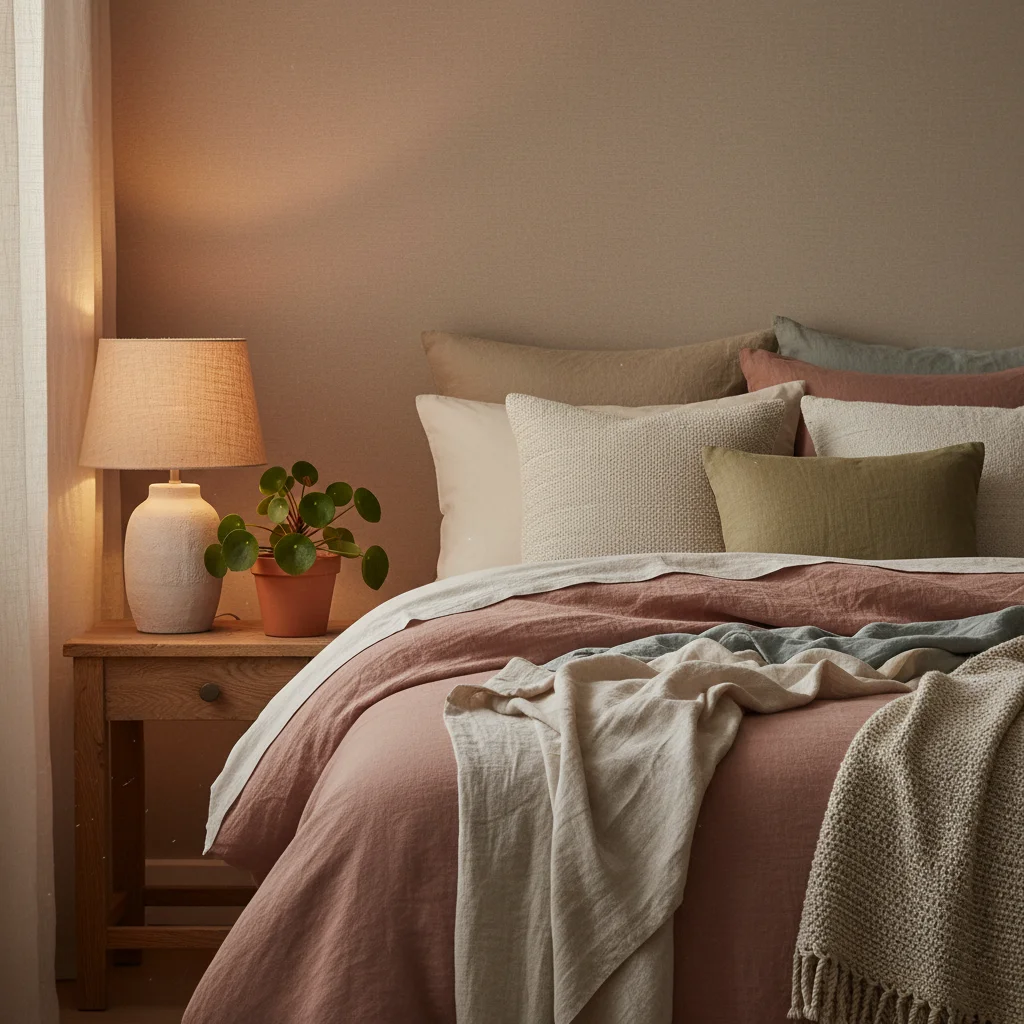
5. Prioritize Comfort and Softness Through Textures
Tactile experiences play a crucial role in how we perceive and interact with our environment. To create a calming home, prioritize comfort and softness through a thoughtful selection of textures. This involves layering different materials that invite touch and evoke a sense of warmth and coziness. Think beyond just visual appeal; consider how a space feels against your skin.
- Plush Fabrics: Incorporate soft throws, velvet pillows, chunky knit blankets, and comfortable upholstery on sofas and chairs. These elements encourage lounging and relaxation.
- Natural Textiles: Linen, cotton, wool, and cashmere offer natural breathability and a pleasant tactile experience. Use them in bedding, curtains, and cushion covers.
- Rugs and Carpets: A soft rug underfoot can instantly add warmth and comfort, defining spaces and absorbing sound, which contributes to a quieter, more peaceful atmosphere.
- Varied Surfaces: Combine smooth surfaces (like polished wood or glass) with rougher textures (like woven baskets or textured ceramics) to add depth and interest without creating visual chaos.
The goal is to create an environment that feels nurturing and inviting. When you walk into a room with soft textures, your body instinctively relaxes. This attention to tactile comfort transforms a house into a home, making it a true sanctuary where you can feel at ease. Remember that even small touches, like a soft bathmat or a luxurious hand towel, can elevate the sense of comfort in everyday spaces.
6. Create Designated Zones for Specific Activities
In a truly calming home, each space serves a purpose, preventing mental clutter and promoting focus. Designating specific zones for different activities helps to organize your life and ensure that certain areas are optimized for relaxation, work, or social interaction. This principle is particularly important in open-plan living spaces where boundaries can blur.
- Relaxation Nooks: Create a cozy corner with a comfortable armchair, a soft blanket, a reading lamp, and perhaps a small table for a cup of tea. This dedicated spot signals to your brain that it’s time to unwind.
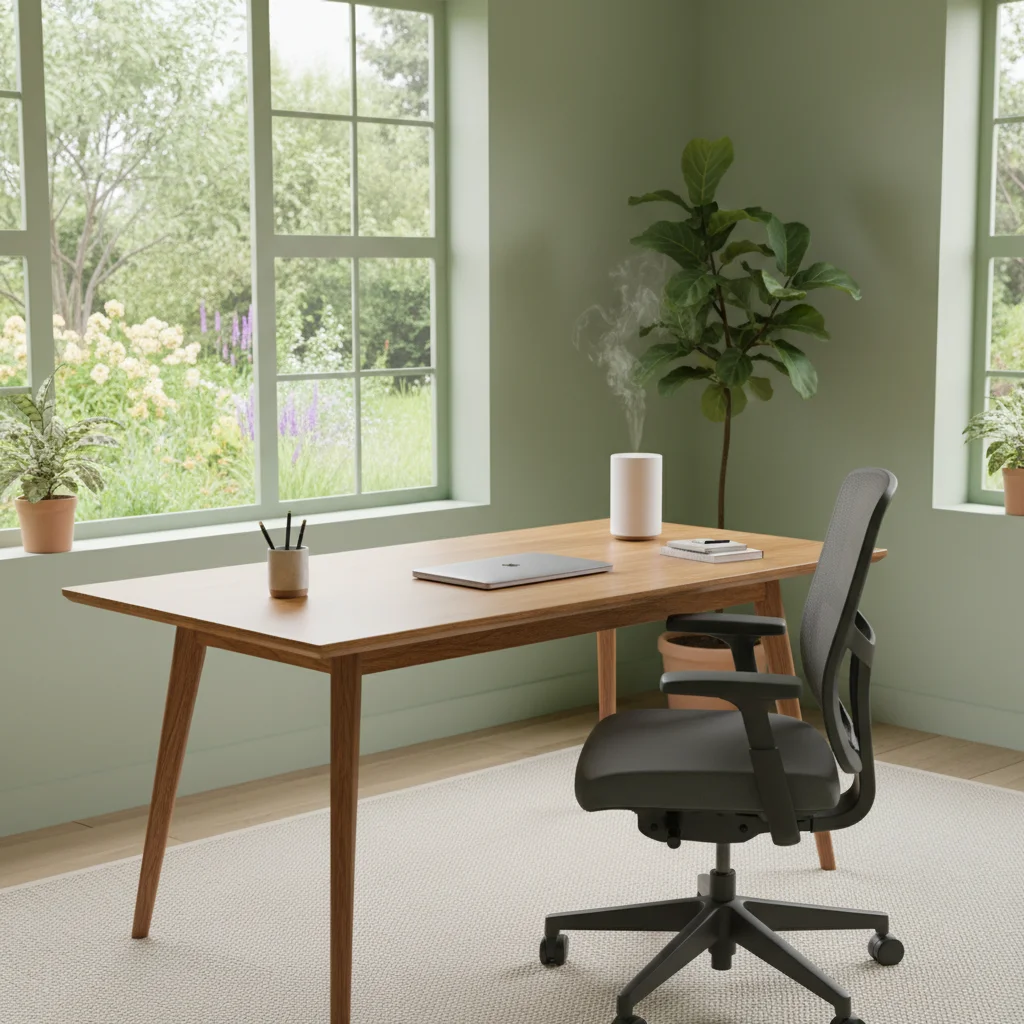
- Work Zones: If you work from home, establish a distinct workspace, even if it’s just a small desk in a quiet corner. Keeping work separate from relaxation areas helps to maintain a healthy work-life balance and prevents work stress from spilling into your sanctuary.
- Meditation or Yoga Space: Even a small mat and a cushion can define a space for mindfulness practices, reinforcing the intention of calm.
- Social vs. Private Areas: Clearly distinguish between areas meant for entertaining and those reserved for personal quiet time.
By defining these zones, you create a psychological framework within your home that supports different states of mind. This structured approach to your living environment reduces internal conflict and promotes a sense of order, which is a cornerstone of a calming home design. It allows you to transition seamlessly between activities without feeling overwhelmed by the demands of a multi-functional space.
7. Incorporate Personal Touches and Meaningful Objects
While decluttering and minimalism are important, a calming home is not synonymous with sterile. It’s about surrounding yourself with items that hold personal meaning and evoke positive emotions. These personal touches transform a house into a home, imbuing it with your unique personality and history. However, the key is curation, not accumulation.
- Display Cherished Items: Select a few favorite photographs, pieces of art, souvenirs from travels, or heirlooms that bring you joy. Arrange them thoughtfully rather than scattering them haphazardly.
- Personalized Art: Choose artwork that resonates with you and evokes feelings of peace, inspiration, or happiness. It doesn’t have to be expensive; it just needs to speak to your soul.
- Books and Hobbies: Display a selection of your favorite books or items related to your hobbies. These remind you of your passions and provide opportunities for relaxation and engagement.
- Comforting Scents: Beyond diffusers, consider candles with natural scents or even the aroma of freshly baked goods. Scent is powerfully linked to memory and emotion.
The objects you choose to display should tell a story and contribute to the overall feeling of warmth and security. They should be conversation starters, not dust collectors. By surrounding yourself with meaningful items, you create an environment that is deeply personal and comforting, reinforcing the idea that your home is truly your sanctuary. This thoughtful curation prevents clutter while maximizing emotional connection, crucial for a truly calming home design.
Beyond the 7 Principles: Sustaining Your Sanctuary
Creating a calming home design is not a one-time project; it’s an ongoing journey of mindful living and intentional choices. Once you’ve implemented these 7 principles, maintaining your sanctuary requires continuous effort and self-awareness. Here are a few additional considerations to ensure your home remains a source of peace:
Mindful Maintenance
Regular maintenance goes a long way in preserving the tranquility of your space. This doesn’t mean obsessive cleaning, but rather consistent habits that prevent chaos from creeping back in. Dedicate 10-15 minutes each day to tidying up – putting things back in their designated places, wiping down surfaces, and fluffing pillows. A weekly deeper clean can then become less daunting. Think of it as a ritual of care for your environment, which in turn cares for you.
Consider the impact of sound. While not explicitly a design principle, minimizing unwanted noise can significantly contribute to a calming atmosphere. Heavy curtains, area rugs, and upholstered furniture can help absorb sound. If you live in a noisy area, consider investing in soundproofing solutions or using white noise machines to mask disruptive sounds, creating a quieter, more peaceful indoor environment.
Sensory Harmony
A truly calming home appeals to all the senses. We’ve touched on sight (light, color, decluttering) and touch (textures). Don’t forget about scent and sound. A diffuser with essential oils like lavender, chamomile, or cedarwood can subtly shift the mood of a room. Avoid artificial fragrances that can be overwhelming or trigger allergies. For sound, consider a curated playlist of ambient music, nature sounds, or simply enjoy the quiet. The absence of jarring sounds is often the most calming element of all.
Flexibility and Evolution
Your needs and preferences may change over time, and your home should evolve with you. A calming home design is not rigid; it’s adaptable. Be open to re-evaluating your space periodically. Perhaps a once-loved decor item no longer brings joy, or a designated zone needs to serve a new purpose. The beauty of these principles is their flexibility – they can be reinterpreted and applied as your life unfolds, ensuring your sanctuary always feels relevant and supportive.
For instance, seasons change, and so can your home’s ambiance. Lighter fabrics and brighter accents might feel refreshing in spring and summer, while heavier textures and warmer tones can create coziness in autumn and winter. Small adjustments can keep your home feeling fresh and aligned with the natural rhythms of the year, further enhancing its calming qualities.
The Power of Intention
Ultimately, the most important design principle for a calming home is intention. Every decision you make, from choosing a paint color to arranging furniture, should be guided by the desire to create a space that fosters peace, well-being, and relaxation. When you approach your home design with this conscious intention, the results will be deeply personal and profoundly transformative. It’s about building a connection with your living space, making it a true extension of your inner self.
Consider how each item contributes to the overall feeling. Does it add to the sense of calm or detract from it? By asking these questions, you become a curator of your own peace, ensuring that every corner of your home works in harmony to support your desire for a tranquil life. This intentionality is what truly differentiates a house from a sanctuary.
Conclusion
Creating a calming home design is an investment in your mental and emotional well-being. By thoughtfully integrating natural light, harmonious colors, effective organization, biophilic elements, comforting textures, designated zones, and meaningful personal touches, you can transform any living space into a sanctuary. These principles are not just about aesthetics; they are about crafting an environment that actively supports relaxation, reduces stress, and promotes a deeper sense of peace.
Remember that your home is a reflection of you, and by nurturing your environment, you are nurturing yourself. Take these principles as a guide, but infuse your unique personality and needs into every decision. The journey to a calmer home is a rewarding one, leading to a more serene and balanced life. Start small, make conscious choices, and watch as your home becomes the peaceful haven you’ve always dreamed of.
Embrace the process, experiment with what feels right for you, and enjoy the profound benefits of living in a space that truly calms your mind and soothes your soul. Your sanctuary awaits.