Micro-Experiences: The Dominant Leisure Trend in the US for 2026
Micro-Experiences: The Dominant Daily Trend for Leisure in the US for 2026
The landscape of leisure in the United States is undergoing a profound transformation. As we look towards 2026, a new paradigm is emerging, one where grand, elaborate getaways are increasingly being complemented, and sometimes even supplanted, by a burgeoning demand for ‘micro-experiences.’ These aren’t just fleeting moments; they are short, impactful, and easily integrated activities that offer a concentrated dose of enjoyment, learning, or relaxation. This shift in consumer behavior is not merely a fad but a fundamental recalibration of how Americans choose to spend their precious free time, driven by a confluence of societal, technological, and economic factors.
For decades, leisure was often synonymous with extended vacations, weekend trips, or lengthy engagements. However, the relentless pace of modern life, characterized by demanding work schedules, increased digital connectivity, and a desire for immediate gratification, has paved the way for the rise of micro-experiences leisure trends. These bite-sized adventures offer a compelling alternative, allowing individuals to inject joy, novelty, and personal growth into their daily routines without the significant time or financial commitment associated with traditional leisure pursuits.
This comprehensive article will delve deep into the phenomenon of micro-experiences, exploring their definition, the multifaceted reasons behind their escalating popularity, and their projected impact on various sectors of the US economy by 2026. We will examine how businesses are adapting to this trend, the demographic shifts fueling its growth, and what consumers can expect from the future of daily leisure. Understanding these micro-experiences leisure trends is not just about staying current; it’s about anticipating and shaping the future of how we live, work, and play.
Defining the Micro-Experience: More Than Just a Moment
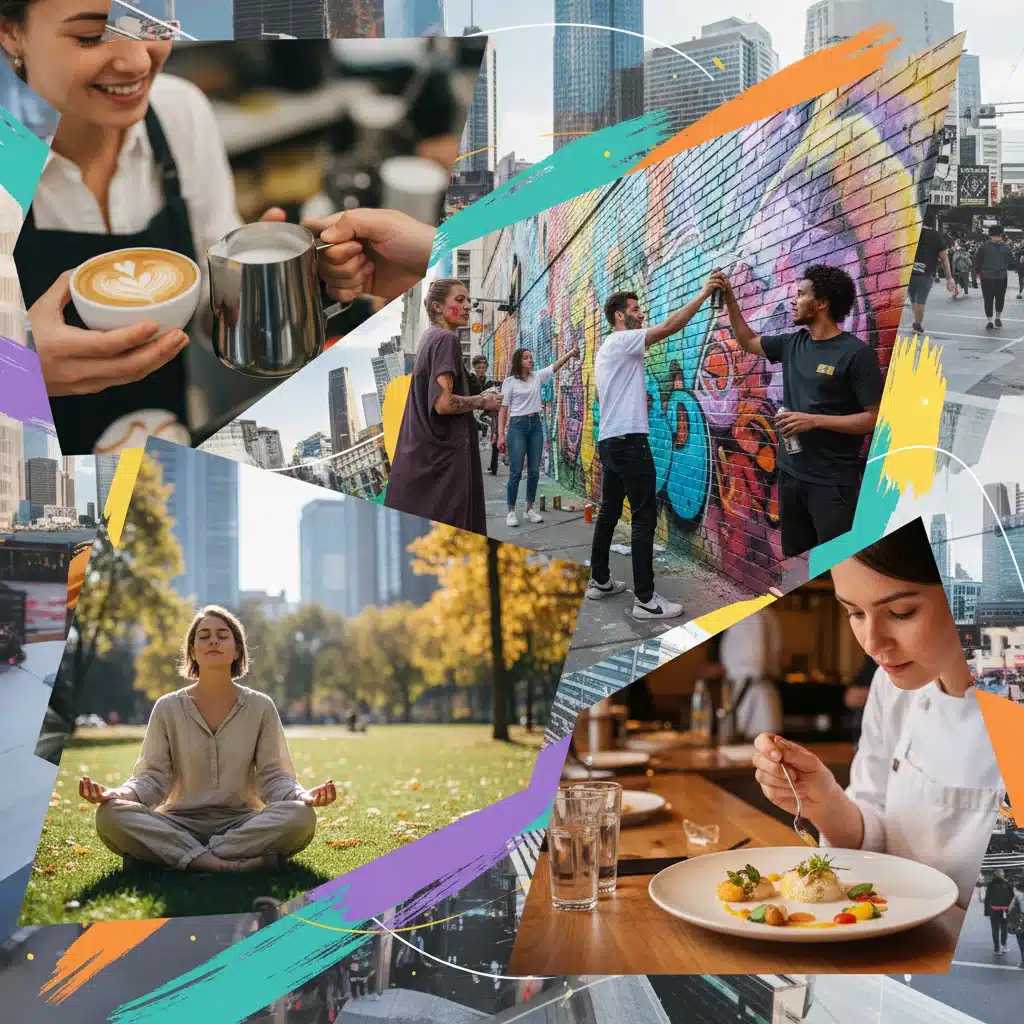
At its core, a micro-experience is a short, focused, and often spontaneous activity designed to deliver a significant emotional, intellectual, or physical payoff within a limited timeframe. Unlike traditional leisure, which might involve extensive planning and a substantial time commitment, micro-experiences are characterized by their accessibility, affordability, and immediacy. Think of a 30-minute meditation session, a 45-minute urban foraging tour, a quick pop-up art class, a specialized coffee tasting, or a guided historical walk through a specific neighborhood.
The key differentiator lies in the intentionality and impact. While a casual stroll through a park is pleasant, a guided nature mindfulness walk, even if brief, elevates it to a micro-experience by adding structure, purpose, and a heightened sense of engagement. These experiences are not merely time fillers; they are curated opportunities for enrichment, connection, and rejuvenation that fit seamlessly into busy daily lives. The beauty of micro-experiences leisure trends is their versatility and ability to cater to a wide array of interests and schedules.
This trend is a direct response to the modern consumer’s desire for meaningful engagement without the burden of extensive planning or significant financial outlay. It’s about quality over quantity, intensity over duration. As we head towards 2026, the definition of a micro-experience will likely broaden further, encompassing even more diverse and innovative offerings that cater to an increasingly fragmented and personalized leisure market.
The Driving Forces Behind the Rise of Micro-Experiences
Several powerful currents are converging to propel micro-experiences into the forefront of leisure activities in the US:
Time Scarcity and the Hustle Culture
In an era defined by demanding work schedules, side hustles, and constant digital connectivity, free time has become a precious commodity. Americans are working longer hours, and the lines between work and personal life are increasingly blurred. This scarcity of time makes long vacations or extended leisure pursuits difficult to justify or even schedule. Micro-experiences offer a viable solution, allowing individuals to decompress, learn, or connect without requiring a significant chunk of their limited free hours. They are the perfect antidote to the ‘always-on’ culture, providing much-needed mental breaks and bursts of joy.
The Experience Economy and the Desire for Authenticity
Consumers, particularly younger generations, are increasingly prioritizing experiences over material possessions. There’s a growing desire for authenticity, personal growth, and unique stories to share. Micro-experiences tap directly into this sentiment by offering novel, often hands-on, and memorable encounters. They provide a sense of discovery and personal connection that passive consumption often lacks. This fundamental shift towards valuing ‘doing’ over ‘having’ is a cornerstone of the micro-experiences leisure trends.
Digital Connectivity and Instant Gratification
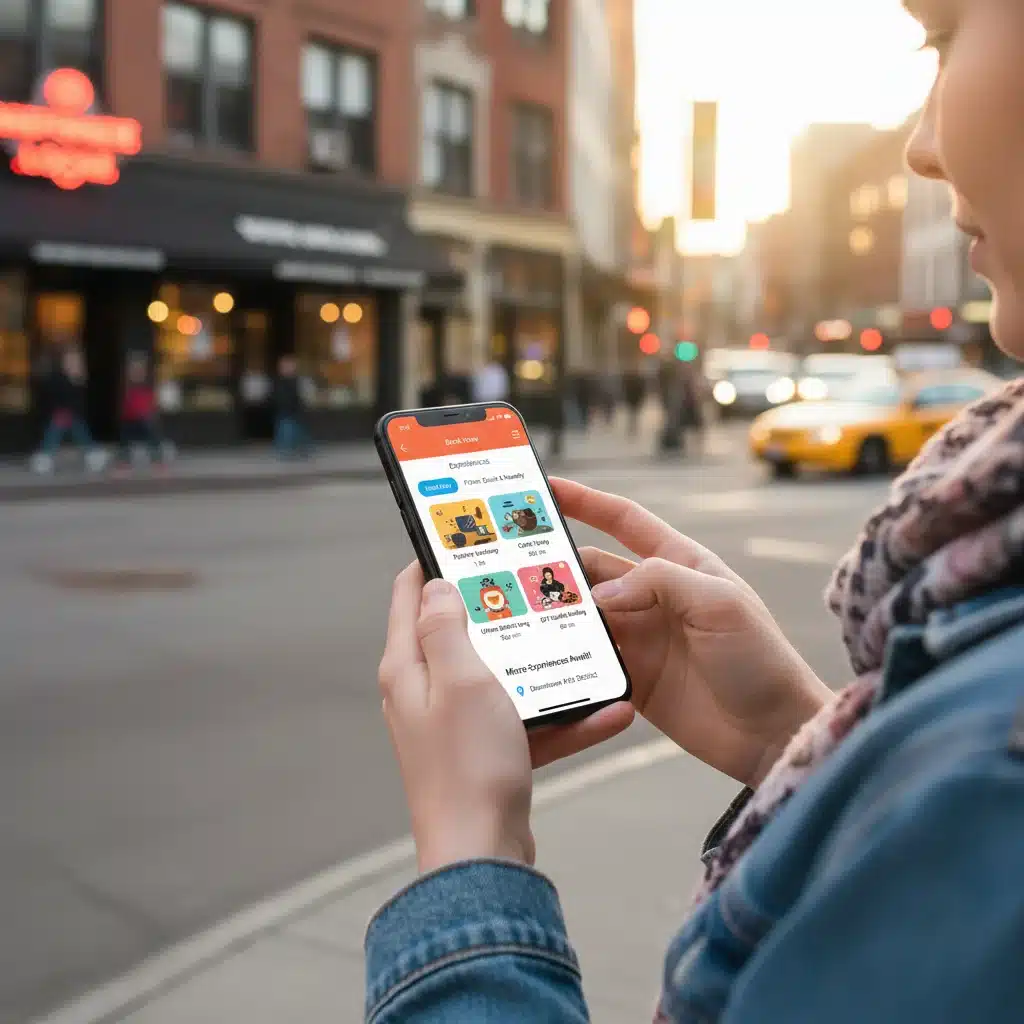
The proliferation of smartphones and easy access to online booking platforms have made discovering and engaging in micro-experiences incredibly convenient. Apps and websites can instantly connect users with local workshops, pop-up events, fitness classes, and cultural activities. This digital infrastructure feeds into the modern consumer’s expectation for instant gratification, making it effortless to find and book an experience on a whim. Social media also plays a crucial role, with users sharing their micro-adventures, inspiring others, and creating a virtuous cycle of discovery and participation.
Economic Pressures and Affordability
While the US economy has seen periods of growth, many consumers still face financial constraints, making lavish vacations or expensive hobbies less accessible. Micro-experiences, by their very nature, are often more affordable than traditional leisure options. Their lower price point makes them accessible to a broader demographic, allowing more people to participate in enriching activities without breaking the bank. This economic accessibility is a significant factor in the widespread adoption of micro-experiences leisure trends.
The Search for Mindfulness and Well-being
In a world saturated with information and distractions, there’s a growing collective yearning for mindfulness, stress reduction, and improved mental well-being. Many micro-experiences, such as short yoga classes, guided nature walks, creative workshops, or even focused cooking classes, offer opportunities for individuals to be present, engage their senses, and disconnect from daily stressors. They provide a valuable avenue for self-care and personal rejuvenation, aligning perfectly with the broader wellness movement.
Demographics Embracing Micro-Experiences
While micro-experiences appeal to a broad spectrum of the population, certain demographics are particularly keen adopters:
Millennials and Gen Z
These generations, often burdened by student debt and accustomed to instant digital access, are prime candidates for micro-experiences. They value experiences over possessions, seek authenticity, and are highly adept at using technology to discover and book activities. Their desire for personal growth, community connection, and shareable content aligns perfectly with what micro-experiences offer.
Urban Dwellers
Cities are natural hotbeds for micro-experiences, with a high concentration of diverse offerings, specialized boutiques, and cultural institutions. Urban residents, often with limited space and time, find these short, local activities an ideal way to explore their surroundings and engage with their communities without extensive travel.
Parents and Busy Professionals
Individuals juggling work, family, and other commitments often find it challenging to carve out significant blocks of leisure time. Micro-experiences provide a much-needed escape and opportunity for personal enrichment that can be squeezed into a lunch break, an evening, or a free hour on the weekend. They offer a sustainable way to maintain personal interests and well-being amidst a hectic lifestyle.
Impact on Industries and Businesses by 2026
The rise of micro-experiences leisure trends is not just changing how individuals spend their time; it’s reshaping entire industries and creating new business opportunities across the US. By 2026, we can expect to see significant adaptations and innovations in response to this dominant trend.
Hospitality and Tourism
Hotels are increasingly offering curated micro-experiences to their guests, from local food tours and mixology classes to wellness workshops and guided historical walks. These offerings enhance the guest experience, differentiate properties, and provide additional revenue streams. Tourism boards are also promoting local, bite-sized adventures to attract visitors who might not have time for extended stays but are keen to immerse themselves in a destination’s unique culture and offerings for a few hours. This means a shift from promoting solely major attractions to highlighting hidden gems and quick, engaging activities.
Retail and Experiential Commerce
Traditional retail is evolving into experiential commerce. Stores are transforming into spaces that offer more than just products; they provide opportunities for engagement and learning. Think of bookstores hosting author readings and writing workshops, cooking supply stores offering quick culinary demonstrations, or fashion boutiques providing styling sessions. These micro-experiences draw customers in, foster brand loyalty, and create memorable interactions that go beyond a simple transaction. By 2026, this integration of retail and experience will be even more seamless and expected by consumers.
Food and Beverage
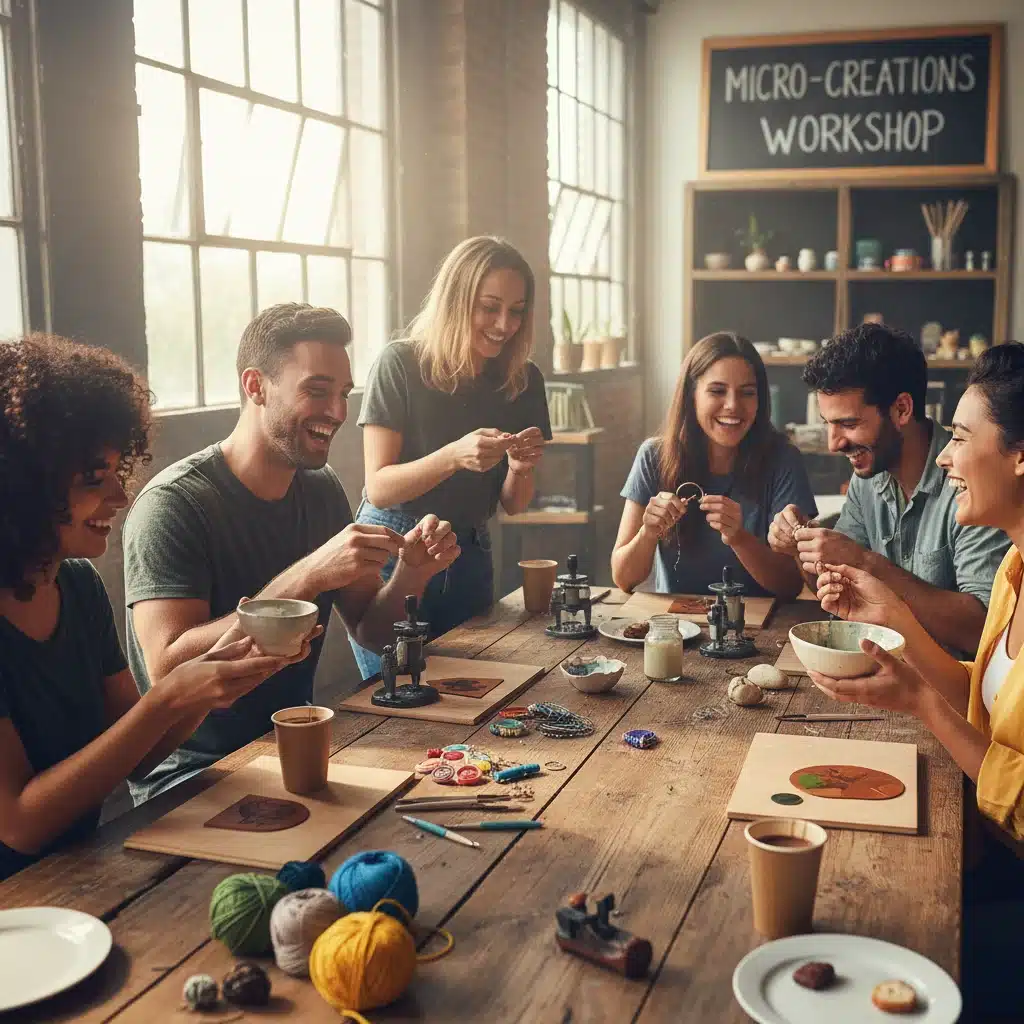
The culinary world is a fertile ground for micro-experiences. Beyond traditional dining, we’re seeing a surge in pop-up restaurants, themed tasting menus, artisanal food and beverage workshops (e.g., coffee brewing, cocktail making, cheese pairing), and guided food tours. These offerings allow consumers to explore diverse flavors and culinary techniques without committing to a full cooking course or an elaborate meal. The focus is on unique, sensory, and educational experiences that are easily digestible in terms of time and cost.
Wellness and Fitness
The wellness industry is perfectly poised to capitalize on micro-experiences. Short meditation sessions, express yoga classes, guided sound baths, nature therapy walks, and quick stress-reduction workshops are becoming increasingly popular. These activities cater to individuals seeking mental and physical rejuvenation without disrupting their busy schedules. Fitness studios are also offering specialized, short-duration classes that focus on specific skills or muscle groups, appealing to those who want an intense workout without a long-term commitment.
Education and Personal Development
The desire for lifelong learning is strong, but formal education can be time-consuming and expensive. Micro-experiences in education offer a solution through short courses, single-session workshops, and skill-building activities. These could range from coding bootcamps lasting a few hours to introductory photography classes, language taster sessions, or creative writing workshops. They satisfy the intellectual curiosity and desire for personal growth in an accessible format, making learning a daily possibility rather than a distant goal.
Technology and Platforms
Technology will continue to be an enabler for micro-experiences leisure trends. Dedicated apps and platforms will emerge, offering highly personalized recommendations based on user preferences, location, and available time slots. AI-driven curation will help users discover niche experiences they might not otherwise find. Seamless booking, cashless payments, and integrated review systems will further streamline the process, making micro-experiences an effortless part of daily life.
Challenges and Opportunities for 2026
While the trajectory for micro-experiences is largely positive, there are challenges and opportunities that businesses and consumers must navigate as we approach 2026.
Challenges:
- Quality Control: As the market expands, maintaining a high standard of experience will be crucial. Poorly executed micro-experiences can quickly erode consumer trust.
- Market Saturation: In popular urban centers, the sheer volume of offerings could lead to saturation, making it difficult for new businesses to stand out.
- Sustainability: Ensuring that micro-experiences are environmentally and socially responsible will become increasingly important, especially as they become more widespread.
- Accessibility for All: While often affordable, ensuring geographic and physical accessibility for diverse populations will be a continuous challenge.
Opportunities:
- Hyper-Personalization: Leveraging data to offer highly personalized micro-experience recommendations tailored to individual interests and schedules.
- Subscription Models: The emergence of subscription services for curated micro-experiences, offering a monthly bundle of diverse activities.
- Corporate Wellness Programs: Companies integrating micro-experiences into employee wellness initiatives to boost morale, reduce stress, and foster team building.
- Rural and Suburban Expansion: While currently concentrated in urban areas, there’s significant opportunity for micro-experiences to expand into suburban and even rural communities, adapting to local resources and interests.
- Integration with Travel: Travelers will increasingly seek out micro-experiences as a way to deeply engage with local culture during shorter trips or layovers, moving beyond traditional tourist traps.
The Future Consumer and Micro-Experiences
By 2026, the average American consumer will likely view micro-experiences not as a novelty, but as an integral and expected part of their daily and weekly routines. The emphasis will be on flexibility, convenience, and meaningful engagement. Consumers will be more discerning, seeking out experiences that offer genuine value, whether that’s learning a new skill, connecting with others, or simply finding a moment of peace.
The concept of ‘leisure’ itself will broaden to encompass these smaller, more frequent bursts of enjoyment. The pressure to always be productive will be balanced by a recognition of the importance of these brief, intentional moments of self-care and personal enrichment. The future consumer will be an active participant in their leisure, curating a portfolio of micro-experiences that align with their evolving interests and lifestyle.
Furthermore, the social aspect of micro-experiences cannot be overstated. In an increasingly digital world, these in-person activities provide vital opportunities for real-world connection and community building. Whether it’s a shared cooking class, a group hike, or a collaborative art project, micro-experiences foster a sense of belonging and shared purpose, addressing a fundamental human need for social interaction.
Strategies for Businesses to Thrive in the Micro-Experience Economy
To succeed in the burgeoning micro-experience economy by 2026, businesses across various sectors must adopt forward-thinking strategies:
- Identify Niche Opportunities: Instead of broad offerings, focus on highly specific, compelling micro-experiences that cater to particular interests. For example, rather than a general cooking class, offer a 90-minute workshop on making fresh pasta or mastering latte art.
- Prioritize Convenience and Accessibility: Offer flexible scheduling, easy online booking, and locations that are easily reachable. Consider pop-up models or mobile services to bring experiences closer to consumers.
- Emphasize Storytelling and Authenticity: Highlight the unique aspects of each experience, the expertise of the facilitators, and the genuine connections participants can make. Authenticity resonates deeply with consumers seeking meaningful engagement.
- Leverage Technology: Utilize apps, social media, and AI for marketing, booking, personalization, and community building. Create seamless digital journeys from discovery to participation and post-experience sharing.
- Foster Community: Design experiences that encourage interaction and connection among participants. Consider creating loyalty programs or membership models that offer access to exclusive micro-experiences.
- Collaborate and Partner: Form alliances with other local businesses, artists, and experts to create unique, cross-promotional micro-experiences. A brewery partnering with a local artist for a ‘sip and paint’ evening is a classic example.
- Focus on Value, Not Just Price: While affordability is a factor, consumers are willing to pay for high-quality, impactful experiences. Clearly articulate the value proposition, whether it’s skill acquisition, relaxation, or unique social interaction.
- Gather Feedback and Iterate: Continuously collect feedback from participants to refine and improve micro-experiences. The market for these activities is dynamic, and adaptability is key.
- Think Beyond Traditional Venues: Micro-experiences can take place anywhere – parks, libraries, community centers, co-working spaces, or even online. Creative use of space can unlock new possibilities and reach wider audiences.
- Promote Wellness Aspects: Frame experiences in terms of their benefits for mental and physical well-being, stress reduction, and personal growth, aligning with broader societal trends.
Conclusion: The Micro-Experience Revolution is Here to Stay
The ascent of micro-experiences leisure trends is more than just a fleeting movement; it represents a fundamental shift in how Americans perceive and engage with their leisure time. By 2026, these short, impactful, and accessible activities will be firmly entrenched as the dominant daily trend, influencing everything from urban planning to business models across various industries.
Driven by time scarcity, economic realities, a desire for authenticity, and technological advancements, micro-experiences offer a compelling solution for individuals seeking enrichment, connection, and rejuvenation in their busy lives. Businesses that recognize and adapt to this trend, by offering curated, convenient, and meaningful experiences, will be well-positioned to thrive in the evolving experience economy.
As consumers continue to prioritize moments of joy and personal growth over passive consumption, the micro-experience revolution will only gain momentum. It’s an exciting time for innovation, as entrepreneurs and established companies alike find creative ways to deliver concentrated doses of delight and learning, making every day an opportunity for a small, yet significant, adventure. The future of leisure is not about escaping reality for extended periods, but about enriching it, one meaningful micro-experience at a time.