Opioid Crisis Updates: US Treatment & Prevention Efforts

Understanding the Opioid Crisis: 3 Critical Updates on US Treatment and Prevention Efforts in the Last 6 Months
The opioid crisis remains one of the most pressing public health challenges facing the United States. Its devastating impact on individuals, families, and communities necessitates a continuous and evolving response. In the last six months, significant shifts have occurred in how the nation approaches opioid addiction, from groundbreaking treatment innovations to refined prevention strategies and pivotal policy changes. Staying informed about these opioid crisis updates is crucial for healthcare professionals, policymakers, affected individuals, and concerned citizens alike. This comprehensive overview will delve into three critical areas where progress and challenges have defined the recent landscape of the opioid crisis, offering a timely snapshot of the ongoing battle.
The scale of the opioid crisis is staggering. According to the Centers for Disease Control and Prevention (CDC), drug overdose deaths continue to be a leading cause of injury-related death in the United States, with opioids, particularly synthetic opioids like fentanyl, being the primary driver. The human cost is immeasurable, encompassing not just fatalities but also the widespread suffering associated with addiction, mental health comorbidities, and societal disruption. Addressing this crisis requires a multi-faceted approach that integrates prevention, treatment, harm reduction, and recovery support. The recent period has seen a renewed emphasis on innovation and accessibility, driven by both federal initiatives and grassroots efforts.
Our focus today is on recent developments that have shaped the narrative and response to the opioid crisis. We will explore how treatment modalities are becoming more accessible and effective, how prevention efforts are being retooled to address emerging threats, and what policy shifts are paving the way for a more robust national strategy. Understanding these opioid crisis updates is not merely an academic exercise; it is essential for informed action and for fostering hope in the face of a persistent challenge. Let’s dive into the key areas that have seen significant movement in the past half-year.
1. Expanding Access to Evidence-Based Treatment: A New Era of Care
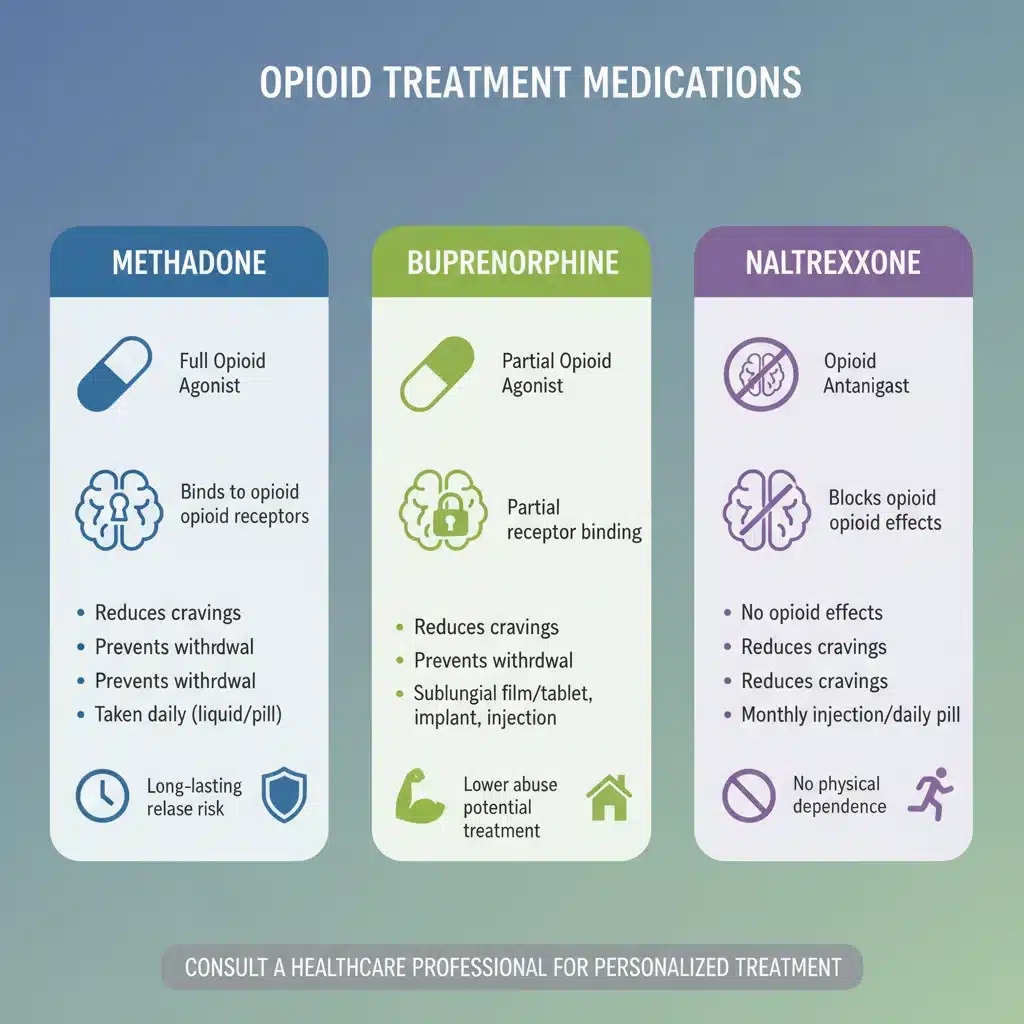
One of the most encouraging opioid crisis updates over the past six months has been the concerted effort to expand access to evidence-based treatment, particularly Medication-Assisted Treatment (MAT). For years, MAT, which combines behavioral therapy and medications like buprenorphine, methadone, and naltrexone, has been recognized as the gold standard for treating opioid use disorder (OUD). However, significant barriers have historically limited its availability, including regulatory hurdles, stigma, and a shortage of trained providers.
Dismantling Regulatory Barriers: The X-Waiver Elimination
Perhaps the most significant policy change impacting MAT access came with the effective elimination of the X-waiver requirement for buprenorphine prescribing. Previously, healthcare providers needed to obtain a special waiver from the Drug Enforcement Administration (DEA) to prescribe buprenorphine for OUD, a requirement that did not apply to other controlled substances. This waiver system created an unnecessary administrative burden and discouraged many prescribers from offering this life-saving treatment.
The Consolidated Appropriations Act of 2023, signed into law in December 2022, included provisions that effectively removed the X-waiver. This monumental change, which went into effect in January 2023, means that any healthcare provider with a standard DEA registration who is authorized to prescribe controlled medications can now prescribe buprenorphine for OUD. This move has been hailed by addiction specialists and public health advocates as a game-changer, potentially unlocking access to MAT for millions of Americans who previously faced significant hurdles.
The immediate impact of this policy shift is expected to be substantial. By removing a major barrier, more primary care physicians, nurse practitioners, and physician assistants are now empowered to integrate OUD treatment into their practices. This integration is critical for addressing the shortage of addiction specialists, particularly in rural and underserved areas, where access to specialized care is often limited. The hope is that buprenorphine will become as accessible as other common medications, allowing individuals to receive treatment in familiar, less stigmatizing settings.
Innovations in Treatment Delivery and Support
Beyond policy changes, the last six months have also seen continued innovation in how MAT and other OUD treatments are delivered. Telehealth, which surged during the COVID-19 pandemic, continues to play a vital role in expanding access. Many providers are now leveraging virtual platforms to offer counseling, prescribe medications, and monitor patients, especially those in remote areas or with mobility challenges. This has proven particularly effective for initial consultations and ongoing support, reducing the need for in-person visits and increasing continuity of care.
Furthermore, there’s a growing emphasis on integrated care models. This involves embedding OUD treatment within broader healthcare settings, such as emergency departments, primary care clinics, and mental health services. The idea is to treat OUD not as an isolated condition but as part of a patient’s overall health, addressing co-occurring mental health disorders and other medical conditions simultaneously. This holistic approach is proving more effective in achieving sustained recovery and improving overall well-being.
Another area of focus has been on peer support services. Individuals with lived experience in recovery are increasingly being integrated into treatment teams, providing invaluable guidance, empathy, and encouragement to those currently struggling with OUD. Peer support specialists can help navigate the complexities of the treatment system, offer practical advice, and serve as powerful role models, demonstrating that recovery is possible. This human-centered approach is a crucial component of comprehensive care and an important opioid crisis update.
2. Evolving Prevention Strategies and Harm Reduction Initiatives
Prevention is a cornerstone of any effective public health response, and the opioid crisis is no exception. In the past six months, prevention strategies have continued to evolve, adapting to new challenges posed by the illicit drug supply, particularly the proliferation of fentanyl. Simultaneously, harm reduction initiatives have gained further traction, recognizing the immediate need to save lives and mitigate the negative consequences of drug use.
Targeting Fentanyl: A Shifting Landscape
The illicit drug supply in the US is increasingly contaminated with fentanyl, a synthetic opioid 50 to 100 times more potent than morphine. This has led to a dramatic increase in overdose deaths, even among individuals who are unaware they are consuming fentanyl. In response, prevention efforts have intensified their focus on fentanyl awareness and education. Public health campaigns are now widely disseminating information about the dangers of fentanyl, including its presence in counterfeit pills and other street drugs, and promoting safer drug use practices.
One key aspect of this updated prevention strategy is the widespread distribution of fentanyl test strips. These inexpensive strips allow individuals to test their drugs for the presence of fentanyl, potentially preventing accidental overdoses. While initially controversial in some areas, the growing acceptance and distribution of fentanyl test strips represent a significant shift towards pragmatic harm reduction within prevention efforts. This is a critical opioid crisis update that directly addresses the current realities of the drug supply.
Naloxone Accessibility and Overdose Reversal
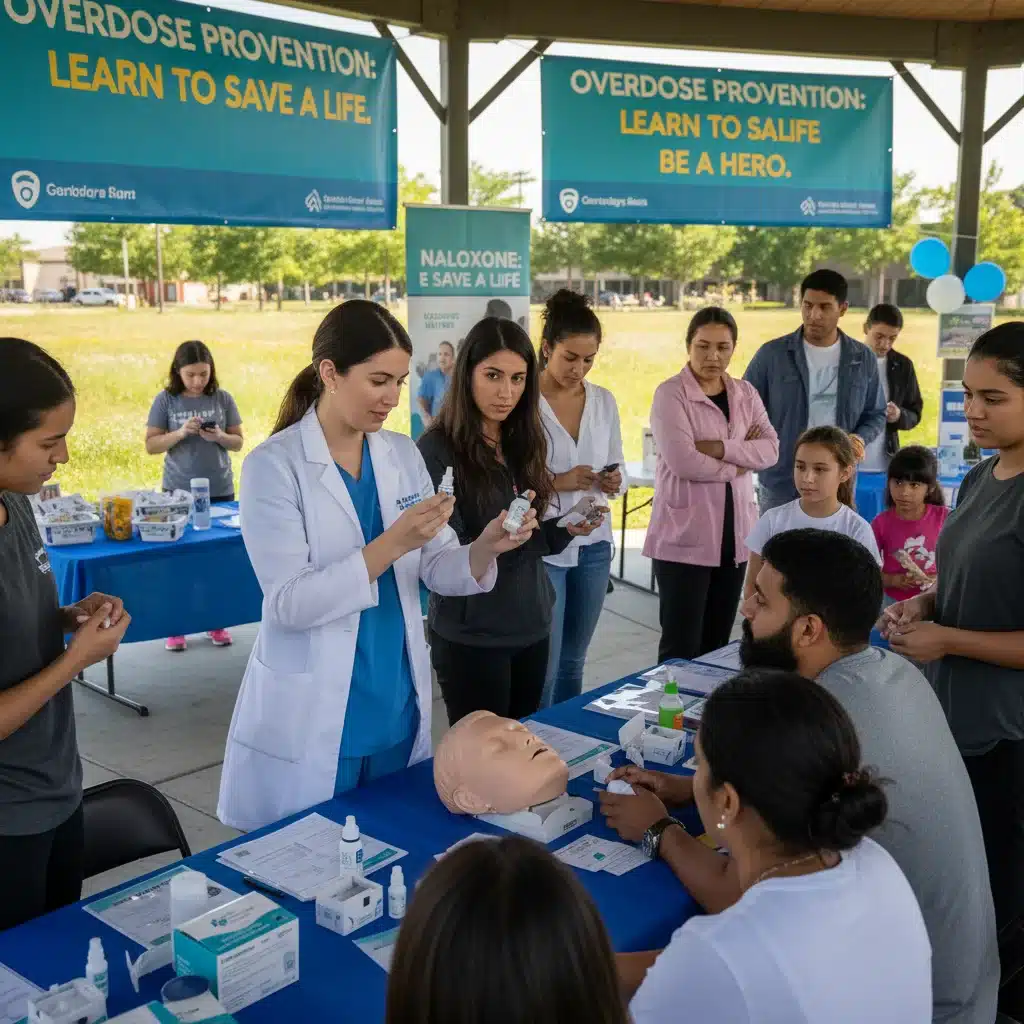
Another crucial area of focus in both prevention and harm reduction is the expanded accessibility of naloxone, an opioid overdose reversal medication. In recent months, there has been a nationwide push to make naloxone more readily available, often without a prescription, through pharmacies, community organizations, and first responders. Many states have implemented standing order prescriptions, allowing pharmacists to dispense naloxone directly to individuals without requiring a doctor’s visit.
Furthermore, there’s been an increase in training programs for the public on how to recognize and respond to an opioid overdose, including how to administer naloxone. These programs empower individuals, including family members, friends, and community members, to act as immediate first responders, potentially saving lives before emergency medical services arrive. The goal is to saturate communities with naloxone and overdose reversal knowledge, making it as common and accessible as an AED for cardiac arrest.
Primary Prevention in Healthcare Settings
Beyond addressing the immediate risks of overdose, primary prevention efforts in healthcare settings continue to evolve. This includes promoting responsible opioid prescribing practices, which have been a major focus since the early days of the crisis. Recent opioid crisis updates show ongoing efforts to educate prescribers on pain management alternatives, the risks associated with long-term opioid use, and the importance of monitoring patients for signs of OUD.
State prescription drug monitoring programs (PDMPs) are also playing an increasingly vital role. These electronic databases track controlled substance prescriptions, allowing prescribers and pharmacists to identify patients who may be at risk of opioid misuse or diversion. Recent enhancements to PDMPs include improved interoperability between states and real-time data access, making them more effective tools for preventing prescription opioid misuse and identifying individuals who might benefit from intervention.
3. Policy Shifts and Funding Initiatives: A National Commitment
The battle against the opioid crisis requires sustained political will and significant financial investment. The last six months have seen a continuation of federal and state-level policy shifts and funding initiatives aimed at bolstering prevention, treatment, and recovery efforts. These actions underscore a national commitment to addressing the crisis comprehensively.
Federal Funding and Grant Programs
The federal government remains a primary driver of funding for opioid crisis response. Recent appropriations have continued to allocate substantial resources to agencies like the Substance Abuse and Mental Health Services Administration (SAMHSA) and the CDC. These funds support a wide array of programs, including State Opioid Response (SOR) grants, which provide states with flexible funding to implement evidence-based prevention, treatment, and recovery services tailored to their specific needs.
A key opioid crisis update in this area is the continued emphasis on data-driven approaches. Federal grants often require states to demonstrate the effectiveness of their programs and to collect data on outcomes, ensuring that taxpayer dollars are being used efficiently and effectively. There’s also a growing focus on addressing disparities in access to care, with specific funding streams targeting underserved communities and populations disproportionately affected by the crisis.
Addressing the Illicit Drug Supply Chain
Beyond treatment and prevention, policy efforts are increasingly targeting the illicit drug supply chain. This involves enhanced collaboration between federal law enforcement agencies, such as the DEA and Customs and Border Protection (CBP), to interdict illicit opioids, particularly fentanyl and its precursors, at the border and within communities. International cooperation is also a growing focus, as much of the illicit fentanyl originates from abroad.
New legislative proposals and executive actions have aimed at providing law enforcement with additional tools and resources to combat drug trafficking. This includes efforts to disrupt online sales of illicit substances and to hold accountable those who profit from the opioid trade. While these measures are distinct from public health interventions, they are recognized as a necessary component of a comprehensive strategy to reduce the availability of dangerous opioids.
State-Level Innovations and Policy Adoption
States continue to be laboratories of innovation in responding to the opioid crisis. Many states have adopted or expanded policies that mirror federal initiatives, such as expanding Medicaid coverage for OUD treatment, implementing Good Samaritan laws to protect individuals who report overdoses, and increasing funding for local prevention and recovery programs. Some states are also exploring unique approaches, such as drug courts that divert individuals with OUD into treatment rather than incarceration, and initiatives to support individuals transitioning from correctional facilities back into the community with access to MAT and other services.
The legal landscape surrounding opioid litigation also continues to evolve. Settlements from lawsuits against pharmaceutical companies and distributors for their role in the crisis are now channeling billions of dollars into states and localities. A critical opioid crisis update is how these funds are being allocated. Many jurisdictions are establishing oversight committees to ensure these settlement funds are used transparently and effectively to support evidence-based prevention, treatment, and recovery initiatives, rather than being diverted to other purposes.
Challenges and the Path Forward
Despite these significant opioid crisis updates, substantial challenges remain. The potency and widespread availability of fentanyl continue to drive overdose fatalities, making the task of prevention and harm reduction more urgent than ever. Stigma associated with OUD still acts as a major barrier to seeking and retaining treatment. Furthermore, the workforce shortage in addiction medicine and mental health remains a critical hurdle, even with the expanded buprenorphine prescribing authority.
Moving forward, sustained political commitment and funding will be essential. The integration of OUD treatment with mental healthcare is paramount, as co-occurring mental health disorders are common and significantly impact recovery outcomes. Continued research into new treatment modalities, including non-opioid pain management options and novel addiction medications, is also vital. Moreover, addressing the social determinants of health, such as poverty, housing instability, and lack of employment opportunities, is crucial for long-term prevention and sustained recovery.
The past six months have demonstrated that while the opioid crisis is a formidable adversary, progress is being made. The collective efforts of healthcare providers, policymakers, community organizations, and individuals in recovery are creating a more robust and compassionate response. These opioid crisis updates offer a glimpse into a future where evidence-based practices and accessible care can turn the tide against this devastating epidemic.
The Role of Community Engagement
Community engagement is increasingly recognized as a vital component of successful opioid crisis intervention. Local communities are often at the forefront of the crisis, experiencing its direct impacts. Recent months have seen a surge in community-led initiatives, from local task forces coordinating resources to grassroots movements advocating for policy change and destigmatization. These efforts are not merely supplementary; they are foundational to creating a supportive environment for prevention, treatment, and recovery.
For instance, many communities are organizing regular forums and workshops to educate residents about the risks of opioid use, the importance of safe storage and disposal of prescription medications, and the availability of local support services. These events foster open dialogue, reduce isolation, and build a collective sense of responsibility. They also serve as platforms for individuals in recovery to share their stories, providing powerful testimonials that inspire hope and challenge prevailing misconceptions about addiction. This localized, human-centered approach is a vital opioid crisis update that underscores the power of collective action.
Innovations in Data Collection and Surveillance
Effective responses to the opioid crisis rely heavily on accurate and timely data. In the last six months, there have been continuous advancements in data collection and surveillance systems. Public health agencies are employing more sophisticated methods to track overdose trends, identify emerging drug threats (like new synthetic opioids), and monitor the effectiveness of interventions. This includes leveraging emergency department data, medical examiner reports, and even wastewater surveillance to gain a clearer picture of drug use patterns and public health needs.
Improved data sharing between different agencies and jurisdictions is also a significant opioid crisis update. By breaking down data silos, policymakers and public health officials can make more informed decisions about resource allocation, target interventions where they are most needed, and quickly adapt strategies to address evolving challenges. For example, real-time overdose surveillance systems can trigger immediate community alerts and deploy outreach teams to areas experiencing spikes in overdose incidents, potentially saving lives.
Addressing Mental Health and Co-Occurring Disorders
It is well-established that opioid use disorder often co-occurs with mental health conditions such as depression, anxiety, and PTSD. Addressing these co-occurring disorders simultaneously is critical for successful long-term recovery. Recent opioid crisis updates highlight a growing recognition and integration of mental health services within OUD treatment programs. This means providing comprehensive care that addresses both substance use and mental health needs through integrated therapy, medication management, and supportive services.
The expansion of mental health services, particularly through telehealth and community-based clinics, is directly benefiting individuals with OUD. By treating the whole person, rather than just the addiction, treatment programs can achieve more sustainable outcomes and improve overall quality of life. This holistic approach is a testament to the evolving understanding of addiction as a complex disease with biological, psychological, and social dimensions.
Conclusion: A Continuous Journey of Adaptation and Hope
The opioid crisis is not a static problem; it is a dynamic and evolving public health emergency that demands continuous adaptation and innovation. The past six months have brought forth critical opioid crisis updates that offer both challenges and reasons for hope. From the dismantling of regulatory barriers to MAT, to the widespread distribution of naloxone and fentanyl test strips, and the sustained commitment of federal and state funding, the national response is becoming more robust and responsive.
While the fight is far from over, the trajectory of these efforts suggests a growing capacity to save lives, facilitate recovery, and build healthier communities. The collective dedication of healthcare professionals, policymakers, law enforcement, community leaders, and individuals in recovery continues to drive progress. By staying informed about these developments and supporting evidence-based interventions, we can all contribute to turning the tide against the opioid crisis and fostering a future where recovery is accessible to all who need it.
The journey is long, but with continued vigilance, innovation, and compassion, the vision of a nation free from the grip of opioid addiction can become a reality. These opioid crisis updates are not just statistics or policy changes; they represent lives saved, families reunited, and communities strengthened in the face of adversity. It is a testament to human resilience and the enduring power of collective action.