Unlock Off-Peak Travel Savings: Cut U.S. Vacation Costs by 20%

Unlock Off-Peak Travel Savings: Cut U.S. Vacation Costs by 20%
Are you dreaming of a U.S. vacation but dreading the hefty price tag? The good news is, achieving significant savings, potentially cutting your costs by 20% or more within the next six months, is entirely possible. The secret? Embracing the power of off-peak travel savings. This comprehensive guide will walk you through four key strategies that will not only reduce your expenses but also enhance your travel experience by avoiding crowds and enjoying more authentic encounters. Forget the peak season frenzy and discover a smarter way to explore the United States.
Understanding the Power of Off-Peak Travel Savings
The concept of off-peak travel savings is simple yet profoundly effective: travel when others aren’t. This typically means avoiding major holidays, school breaks, and the summer months. While these periods are popular for a reason – usually good weather or specific events – they also come with inflated prices for flights, accommodations, and even local attractions. By shifting your travel dates, you tap into a market with lower demand, leading to substantial discounts.
Why Off-Peak is Your Best Budget Friend
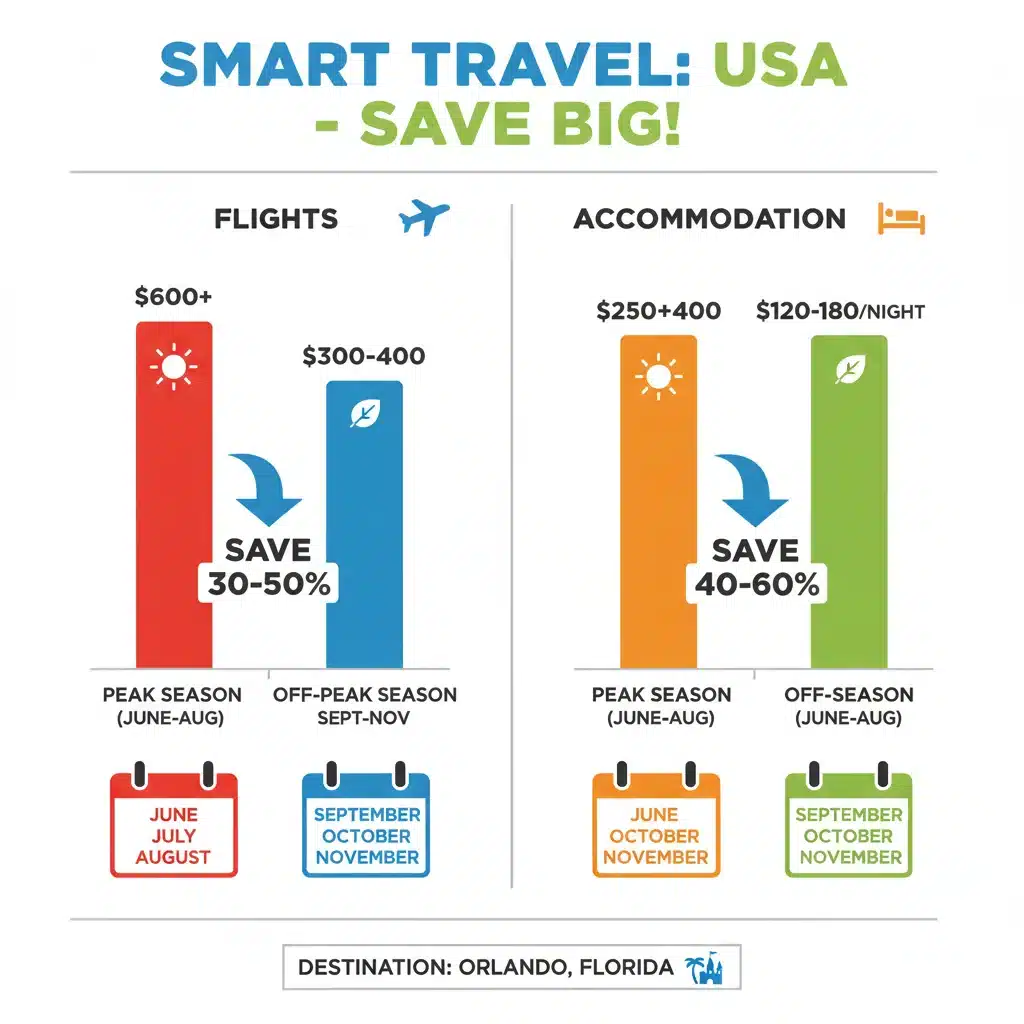
The travel industry operates on supply and demand. When demand is high (peak season), prices soar. When demand is low (off-peak season), providers reduce prices to attract customers. This economic principle is your golden ticket to incredible savings. Think about it: a flight to Florida in July vs. October, or a hotel in New York City in December vs. January. The difference can be staggering.
Beyond just saving money, off-peak travel offers a more relaxed and authentic experience. Imagine visiting national parks without battling crowds for a photo op, or enjoying a museum at your own pace without feeling rushed. Restaurants are less busy, local interactions are more genuine, and the overall atmosphere is calmer. This isn’t just about saving money; it’s about enriching your travel experience.
Setting Your 20% Savings Goal
A 20% reduction in U.S. vacation costs might seem ambitious, but with strategic planning around off-peak travel savings, it’s highly achievable. For a typical U.S. vacation costing, say, $2,500, a 20% saving means an extra $500 in your pocket – money that can be used for more experiences, better dining, or simply kept as savings. We’ll show you exactly how to target this goal with our four key strategies.
Strategy 1: Master the Art of Timing Your Trips
The most crucial aspect of unlocking off-peak travel savings is timing. Knowing when to go can literally cut your costs in half for certain destinations. This strategy requires a bit of flexibility, but the financial rewards are well worth it.
Identifying Off-Peak Seasons for Popular U.S. Destinations
Off-peak seasons vary depending on the destination. Here’s a general breakdown:
- Florida & Southern States: Avoid winter (December-February) and spring break (March-April). Late spring (May), early fall (September-October), and parts of November are often quieter and more affordable. While hurricane season (June-November) can be a concern, traveling in the shoulder months can yield significant savings, often with good weather and lower risk.
- Northeast (NYC, Boston, etc.): Summer (June-August) and the fall foliage season (late September-October) are peak. Consider late winter (January-March, excluding Presidents’ Day weekend) for lower prices, though weather can be cold. Late spring (April-May) and early fall (late October-November) offer a balance of decent weather and fewer crowds.
- West Coast (California, Pacific Northwest): Summer is peak. Late spring (April-May) and early fall (September-October) are ideal for balancing good weather and lower prices. Winter can offer deals, especially for cities, though some coastal areas might be rainy.
- Mountain States & National Parks: Summer is overwhelmingly peak. Shoulder seasons (late April-May, late September-October) are fantastic for fewer crowds and often pleasant weather, though some higher elevation roads might still be closed in early spring or have early snow in late fall. Winter offers unique experiences like skiing, but non-ski destinations can be off-peak.
- Southwest Deserts (Arizona, Nevada): Winter (November-March) is peak for comfortable temperatures. Summer (June-August) is intensely hot and thus off-peak, offering significant discounts for those who can tolerate the heat or plan indoor activities. Shoulder seasons (April-May, September-October) are excellent compromises.
The Shoulder Season Advantage
Shoulder seasons – the periods immediately before and after the peak season – are often the sweet spot for off-peak travel savings. You get decent weather, fewer crowds than peak, and significantly better prices than you would during the busiest times. For example, visiting a national park in May instead of July, or a beach destination in September instead of August, can lead to substantial savings on flights and accommodation while still offering a great experience.
Leveraging Mid-Week Travel
Beyond the season, the day of the week matters. Flights and hotels are often cheaper for mid-week stays (Tuesday, Wednesday, Thursday nights) compared to weekends. If your schedule allows, planning your trips to start and end on weekdays can further amplify your off-peak travel savings. Many attractions also have lower admission fees or fewer crowds on weekdays.
Strategy 2: Smart Booking for Flights and Accommodation
Once you’ve identified your off-peak window, the next step to maximizing your off-peak travel savings is employing smart booking tactics for the two biggest expenses: flights and accommodation.
Flights: Flexibility is Key
Airfare is often the largest single expense for a U.S. vacation. To secure the best deals during off-peak times:
- Book in Advance (but not too far): For domestic U.S. flights, the sweet spot for booking is typically 1-3 months out. Booking too early (6+ months) or too late (within 2 weeks) often results in higher prices.
- Be Flexible with Dates: Use flight search engines like Google Flights, Skyscanner, or Kayak’s flexible date options. These tools allow you to see prices across an entire month, making it easy to spot the cheapest days to fly within your chosen off-peak window. Often, shifting your departure or return by just a day or two can save hundreds.
- Consider Alternative Airports: Flying into or out of smaller, regional airports near your destination can sometimes be cheaper than major hubs, even with the added cost of ground transportation. Always compare.
- Set Price Alerts: Once you have your desired off-peak dates and destination, set up price alerts. You’ll be notified when fares drop, allowing you to snag a deal.
- Fly Basic Economy (with caution): If you’re traveling light and don’t mind sacrificing amenities like seat selection or checked bags, basic economy fares can offer significant savings during off-peak times. Just be aware of the restrictions.
Accommodation: Beyond the Hotel Room
Hotels are another major expense, but off-peak travel opens up more affordable options:
- Utilize Vacation Rentals: Airbnb, VRBO, and similar platforms often offer more space, amenities (like a kitchen for cooking, further saving money), and can be significantly cheaper than hotels, especially for longer stays or groups. During off-peak, you’ll find more availability and potentially lower nightly rates.
- Consider "Hidden Gem" Hotels: Look for hotels slightly outside the absolute city center or tourist hotspots. They often offer better value while still being accessible via public transport.
- Loyalty Programs & Credit Card Points: If you travel frequently, leveraging hotel loyalty programs or travel credit card points during off-peak seasons can lead to free nights, essentially amplifying your off-peak travel savings to 100% on accommodation.
- Hostels & Guesthouses: For budget-conscious travelers, hostels and guesthouses offer private rooms (not just dorms) that can be incredibly affordable during off-peak times, providing a comfortable stay without breaking the bank.
- Book Directly: Sometimes, booking directly with a hotel can offer exclusive deals or perks not available on third-party sites, especially if you call and inquire during a slow season.
Strategy 3: Embrace Less-Traveled Destinations & Activities
While visiting iconic landmarks is part of the U.S. travel experience, expanding your horizons beyond the most popular spots can lead to incredible off-peak travel savings and more unique adventures.
Discovering "Hidden Gems"
Instead of flocking to the most famous cities or national parks during their busiest times, consider:
- Secondary Cities: While NYC and LA are always popular, cities like Portland, Oregon; Richmond, Virginia; or Kansas City, Missouri offer vibrant arts scenes, delicious food, and unique attractions at a fraction of the cost, especially during their respective off-peak seasons.
- State Parks vs. National Parks: While National Parks are magnificent, State Parks often offer similar natural beauty, hiking, and camping opportunities with fewer crowds and lower (or no) entrance fees. They can be fantastic alternatives or additions to your itinerary, enhancing your off-peak travel savings.
- Small Towns & Rural Retreats: Explore charming small towns that offer a glimpse into local culture without the tourist traps. These areas often have more affordable accommodation and dining options.
- Regional Festivals & Events: Look for local festivals or events that occur during off-peak times. These can provide a rich cultural experience at a lower cost than major, internationally renowned events.
Free and Low-Cost Activities
Many fantastic U.S. experiences are free or very low cost, and these are even more enjoyable without peak-season crowds:
- Hiking & Nature Trails: The U.S. boasts an incredible network of hiking trails, from easy walks to challenging treks. Many are free to access.
- Beaches & Lakes: Enjoy public beaches and lakes. During off-peak, you’ll have more space to relax and fewer crowds to contend with.
- Public Parks & Gardens: Many cities have beautiful public parks and botanical gardens that offer free entry.
- Self-Guided Walking Tours: Explore cities on foot. Many historical districts or vibrant neighborhoods are best experienced this way, and you can find free self-guided tour apps.
- Museum Free Days/Hours: Many museums offer specific free admission days or hours. Research these in advance, especially during off-peak times when they might be less busy even on free days.
Strategy 4: Smart Spending While On Your Trip
Even with excellent off-peak travel savings on flights and accommodation, your daily spending can quickly add up. Implementing smart spending habits during your trip is crucial for hitting that 20% overall cost reduction.
Food: A Major Budget Saver
Eating out is a significant expense, but there are many ways to manage it:
- Cook Your Own Meals: If your accommodation has a kitchen (like an Airbnb or a hotel with a kitchenette), cooking some of your meals can save a fortune. Stock up on groceries from local supermarkets.
- Picnics & Packed Lunches: Instead of expensive restaurant lunches, pack sandwiches or snacks for your day trips, especially when visiting parks or beaches.
- Happy Hour & Early Bird Specials: Many restaurants offer discounted drinks and appetizers during happy hour, or special fixed-price menus for early dinners. This is a great way to experience local cuisine without the full price tag.
- Street Food & Food Trucks: Explore local street food vendors or food trucks for delicious, authentic, and often cheaper meal options.
- Water Bottle: Carry a reusable water bottle and refill it. Buying bottled water constantly adds up.
Transportation: Getting Around Affordably
How you move around your destination directly impacts your budget:
- Public Transportation: Utilize buses, subways, and trams. Many U.S. cities have excellent public transport systems, and day passes or weekly passes can be very economical.
- Walking & Biking: For shorter distances, walking is free and a great way to see a city. Consider renting bikes in destinations that are bike-friendly.
- Ride-Sharing (Strategically): While convenient, ride-sharing services (Uber, Lyft) can be expensive. Use them for longer distances or when public transport isn’t an option, but try to limit their use.
- Car Rentals (Off-Peak Advantage): Car rental prices are often lower during off-peak seasons due to less demand. Book in advance and compare prices across different companies. Consider smaller, more fuel-efficient cars if space isn’t an issue.
- Avoid Taxis: Taxis are almost always the most expensive option.

Entertainment & Souvenirs: Mindful Spending
These categories are where discretionary spending often inflates a budget:
- Prioritize Experiences Over Souvenirs: Instead of buying trinkets that will gather dust, invest in experiences that create lasting memories. If you do buy souvenirs, look for local crafts or unique items that genuinely represent the place, rather than mass-produced tourist merchandise.
- Look for Free Entertainment: Check local event calendars for free concerts, art shows, or community events. Many cities offer free walking tours or outdoor movie nights during certain times of the year.
- Discount Passes: For destinations with many paid attractions, research city passes or bundled tickets. During off-peak, these might offer even better value as you’ll spend less time waiting in lines.
- Student/Senior/Military Discounts: Always ask if you qualify for any discounts. Many attractions offer reduced rates.
Putting It All Together: Your 6-Month Plan for 20% Off-Peak Travel Savings
Now that you have the strategies, let’s outline a plan to achieve your 20% off-peak travel savings within the next six months.
Month 1-2: Research & Destination Selection
- Define Your Travel Window: Look at your next six months and identify potential off-peak periods where you have flexibility. Can you take a long weekend in May, or a full week in September?
- Brainstorm Destinations: Consider U.S. destinations that appeal to you and align with the identified off-peak seasons. For example, if your window is late spring, consider the Pacific Northwest or a less-crowded part of Florida. If it’s early fall, think about the Northeast (pre-foliage peak) or Southwest.
- Initial Cost Comparison: Do preliminary checks on flight and accommodation costs for 2-3 potential destinations during both peak and your chosen off-peak times. This will help you visualize the potential off-peak travel savings.
- Set a Budget: Establish a realistic budget for your trip, including a target for your 20% savings.
Month 3-4: Booking & Itinerary Planning
- Book Flights: This is the prime time to book your off-peak flights for the best deals. Be flexible with dates and airports.
- Secure Accommodation: Once flights are booked, lock in your accommodation. Explore vacation rentals, smaller hotels, or alternative lodging options to maximize savings.
- Draft Itinerary: Start planning your daily activities. Research free and low-cost attractions, public transport options, and potential dining strategies.
- Set Price Alerts: For any remaining big-ticket items (e.g., specific tours), set price alerts.
Month 5-6: Fine-Tuning & Final Preparations
- Confirm Bookings: Double-check all reservations for flights, accommodation, and any pre-booked activities.
- Refine Budget & Spending Plan: Review your daily spending plan. Where can you save more on food, transport, or entertainment?
- Packing Smart: Pack light to avoid checked bag fees if possible. Research weather for your off-peak destination to pack appropriately.
- Embrace the Mindset: Get excited about experiencing your chosen destination without the peak-season rush. Look forward to the unique opportunities that off-peak travel savings bring, from quieter attractions to more authentic local interactions.
Beyond the Savings: The Enhanced Travel Experience
While the primary motivation for seeking off-peak travel savings is financial, the benefits extend far beyond your wallet. Traveling during less crowded times often means:
- Fewer Crowds: This is perhaps the most significant non-monetary benefit. Imagine walking through a famous museum with ample space to appreciate the art, or hiking a scenic trail without a constant stream of other people.
- Better Service: With fewer tourists, staff at hotels, restaurants, and attractions are often less stressed and can provide more personalized and attentive service.
- More Authentic Interactions: Locals are often more relaxed and open to engaging with visitors when they aren’t overwhelmed by peak-season tourism. This can lead to richer cultural experiences.
- Better Photos: Without crowds obstructing your views, you’ll be able to capture stunning, unobstructed photographs of landscapes and landmarks.
- Increased Availability: During off-peak, you’ll find it easier to get reservations at popular restaurants, book tours, or even find last-minute accommodation without inflated prices.
These enhanced experiences, combined with the substantial financial benefits, make off-peak travel savings a strategy every savvy traveler should adopt. It transforms a potentially stressful and expensive trip into a relaxing, enriching, and affordable adventure.
Conclusion: Your Path to Affordable U.S. Adventures
Embarking on a U.S. vacation doesn’t have to drain your bank account. By strategically leveraging off-peak travel savings, you can significantly reduce your costs, potentially by 20% or more, within the next six months. The four key strategies – mastering timing, smart booking for flights and accommodation, embracing less-traveled destinations, and mindful spending on the ground – provide a clear roadmap to achieving this goal.
Remember, flexibility and a willingness to explore beyond the obvious are your greatest assets. Start planning today, embrace the shoulder seasons, and discover a world of affordable, authentic, and enjoyable travel experiences across the United States. Your next dream vacation is closer and more affordable than you think!