
As the days grow shorter and the temperatures drop, many individuals across the United States begin to experience a noticeable shift in their mood and energy levels. This phenomenon, often colloquially referred to as the ‘winter blues,’ is more formally known as Seasonal Affective Disorder, or SAD. Far from being a mere feeling of melancholy, SAD is a recurring depressive disorder characterized by symptoms that typically emerge during the fall and winter months and recede in the spring and summer. With an estimated 10 million Americans experiencing SAD annually, and another 10% to 20% suffering from a milder form of the condition, understanding and actively addressing these seasonal shifts is crucial for maintaining mental well-being. Updated for early 2026, this comprehensive guide delves into six practical strategies designed to help you effectively mitigate winter blues and navigate the colder months with greater resilience and vitality.
The underlying causes of Seasonal Affective Disorder are complex, but research points to several key factors. Reduced exposure to natural sunlight during shorter winter days is a primary contributor, impacting the body’s circadian rhythm, a 24-hour internal clock that regulates sleep-wake cycles. This lack of light can also disrupt the production of serotonin, a neurotransmitter that affects mood, and melatonin, a hormone that influences sleep patterns. The resulting imbalance can lead to symptoms such as persistent low mood, loss of interest in activities, fatigue, increased appetite (especially for carbohydrates), weight gain, and difficulty concentrating. Identifying these symptoms early and implementing proactive strategies for winter blues mitigation can significantly improve quality of life during the challenging winter months.
Understanding the Impact of Winter Blues Mitigation
Before diving into specific strategies, it’s essential to grasp the pervasive impact of SAD and why proactive winter blues mitigation is so vital. The symptoms of SAD can range from mild lethargy and irritability to severe depression that interferes with daily functioning. Beyond the individual suffering, SAD can affect relationships, work productivity, and overall physical health. Ignoring these symptoms can lead to a downward spiral, making it harder to cope as the season progresses. Therefore, adopting a holistic approach that addresses both the physiological and psychological aspects of SAD is key to successful winter blues mitigation.
The following strategies are not merely temporary fixes; they are sustainable practices that, when integrated into your routine, can build resilience against seasonal mood changes. We’ve updated these recommendations to reflect current understanding and best practices for early 2026, ensuring you have the most relevant and effective tools at your disposal.
Strategy 1: Embrace Light Therapy (Phototherapy) for Winter Blues Mitigation
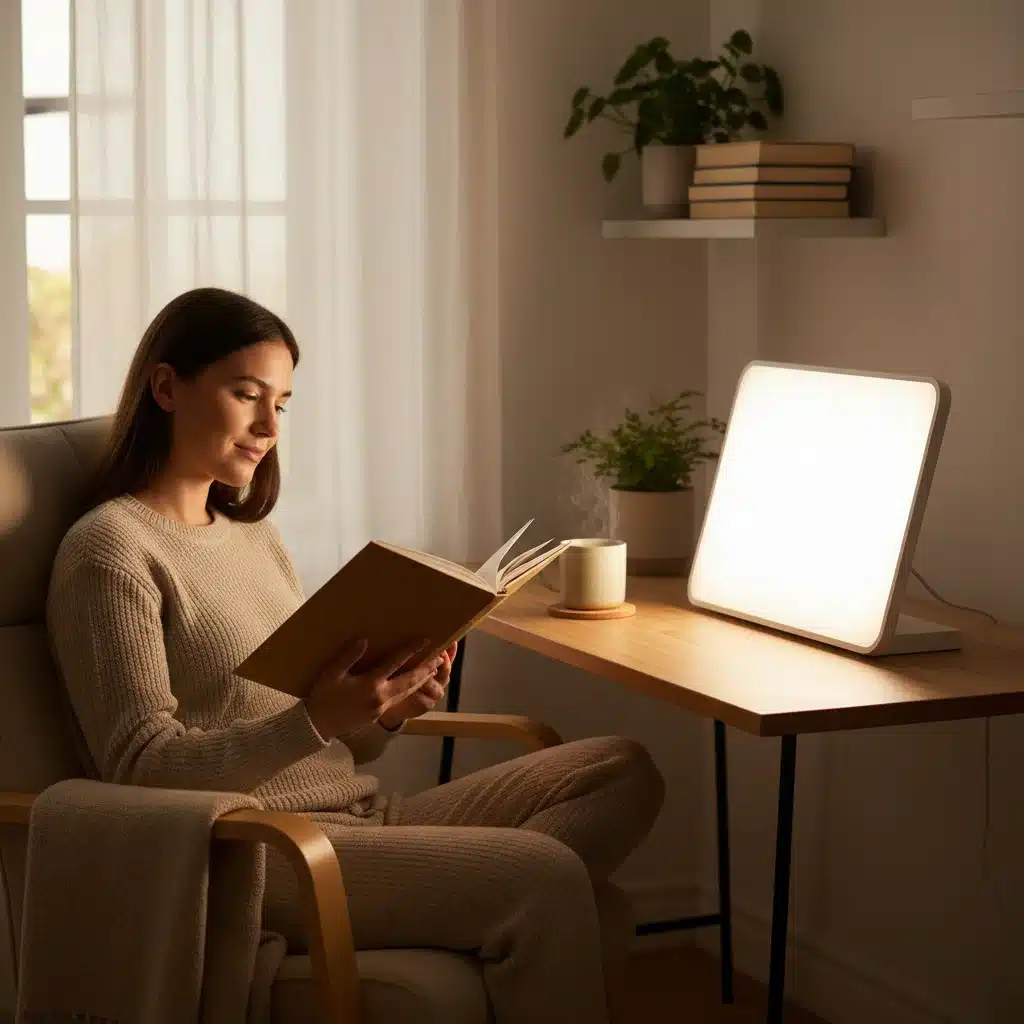
One of the most widely recommended and effective interventions for Seasonal Affective Disorder is light therapy, also known as phototherapy. This involves daily exposure to a special light box that emits a bright light, typically 10,000 lux, mimicking natural outdoor light. The goal is to compensate for the lack of sunlight during the darker winter months, helping to reset your circadian rhythm and regulate mood-affecting neurotransmitters.
How Light Therapy Works
Light therapy is believed to work by influencing the brain chemicals linked to mood and sleep, particularly serotonin and melatonin. Regular exposure to bright light can help suppress the body’s natural melatonin production, which tends to be higher in individuals with SAD, and increase serotonin levels. This can lead to improved mood, increased energy, and better sleep patterns.
Practical Application and Best Practices
For optimal winter blues mitigation, it’s generally recommended to use a light therapy lamp for about 20-30 minutes each morning, ideally within the first hour of waking. Position the light box at an angle so the light reaches your eyes indirectly, but avoid staring directly into the light. Consistency is key; make it a part of your daily morning routine. While over-the-counter light boxes are available, consulting with a healthcare professional before starting light therapy is advisable, especially if you have pre-existing eye conditions or are taking medications that increase light sensitivity. Look for devices that filter out harmful UV light and are certified by reputable organizations.
Strategy 2: Prioritize Outdoor Time and Natural Light Exposure
Even on cloudy winter days, natural light exposure can be beneficial. While not as intense as a light therapy lamp, spending time outdoors, especially during midday, can significantly contribute to winter blues mitigation. The human body is designed to respond to natural light cues, and even diffused sunlight can have a positive impact on mood and energy.
Maximizing Natural Light
Make a conscious effort to step outside for at least 15-30 minutes each day, even if it’s just a short walk around the block during your lunch break. Open curtains and blinds to let as much natural light into your home and workspace as possible. Consider rearranging your furniture to sit closer to windows. If possible, plan outdoor activities during the brightest part of the day. Even simple changes can make a difference in your natural light intake and support your winter blues mitigation efforts.
Connecting with Nature
Beyond just light, connecting with nature itself has proven mental health benefits. The fresh air, sounds of nature, and change of scenery can all contribute to a sense of well-being. Even in urban environments, seeking out parks or green spaces can provide a much-needed break from indoor confinement and help alleviate the symptoms of SAD.
Strategy 3: Maintain a Healthy Diet and Hydration
What you eat plays a significant role in your mood and energy levels, making diet a critical component of winter blues mitigation. During the winter, there’s often a temptation to indulge in comfort foods high in carbohydrates and sugars, which can lead to temporary mood boosts followed by energy crashes.
Nutritional Considerations for Mood
Focus on a balanced diet rich in whole foods, lean proteins, fruits, vegetables, and healthy fats. Omega-3 fatty acids, found in fish like salmon, mackerel, and sardines, as well as flaxseeds and walnuts, are particularly important for brain health and have been linked to improved mood. Vitamin D, often deficient during winter due to lack of sun exposure, is also crucial. While sunlight is the primary source, consider incorporating fortified foods or discussing supplementation with your doctor.
The Role of Hydration
Dehydration, even mild, can manifest as fatigue, irritability, and difficulty concentrating – symptoms that can easily be mistaken for or exacerbate SAD. Ensure you are drinking adequate amounts of water throughout the day. Herbal teas can also be a comforting and hydrating option during colder months.
Strategy 4: Prioritize Regular Physical Activity
Exercise is a powerful natural antidepressant and a cornerstone of effective winter blues mitigation. Physical activity releases endorphins, natural mood elevators, and can also help regulate sleep and reduce stress. It doesn’t require intense workouts; even moderate activity can make a significant difference.
Finding Your Movement
Aim for at least 30 minutes of moderate-intensity exercise most days of the week. This could include brisk walking, jogging, cycling, swimming, dancing, or practicing yoga. If outdoor exercise isn’t feasible due to weather, explore indoor options like gym memberships, home workout videos, or even climbing stairs. The key is consistency. Engaging in physical activity regularly can help combat lethargy, improve sleep quality, and significantly boost your mood, making it an invaluable tool for winter blues mitigation.
Consistency Over Intensity
Don’t feel pressured to engage in strenuous workouts. The most effective exercise regimen is one you can stick to consistently. Even short bursts of activity, like taking a walk during a lunch break or doing a quick home workout, can accumulate and provide benefits. Find activities you enjoy to make adherence easier and more sustainable throughout the winter months.
Strategy 5: Foster Social Connections and Engage in Hobbies
Isolation can worsen symptoms of SAD, making social connection a vital aspect of winter blues mitigation. When you’re feeling low, it’s tempting to withdraw, but actively seeking out social interaction can provide emotional support and a sense of belonging.
Nurturing Relationships
Make an effort to connect with friends and family, whether in person, via video calls, or even through regular phone calls. Plan social activities that you enjoy, such as sharing a meal, playing board games, or attending community events. These interactions can provide distraction, laughter, and a reminder that you’re not alone in your experience. Even if you don’t feel like socializing, pushing yourself to participate can often lead to an improvement in mood once you’re engaged.
Rekindling Passions
Engaging in hobbies and activities that bring you joy can be a powerful antidote to the apathy often associated with SAD. Whether it’s reading, painting, cooking, learning a new skill, or playing an instrument, these activities can provide a sense of purpose and accomplishment. They offer a constructive outlet for your energy and can help shift your focus away from negative thoughts. Actively scheduling time for these passions is a proactive step in winter blues mitigation.
Strategy 6: Practice Mindfulness and Stress Reduction Techniques
The winter months can bring their own unique stressors, from holiday pressures to increased indoor confinement. Incorporating mindfulness and stress reduction techniques into your daily routine can significantly aid in winter blues mitigation by helping you manage stress and cultivate a more positive mindset.
Mindfulness and Meditation
Mindfulness involves focusing on the present moment without judgment. Practices like meditation, deep breathing exercises, and mindful walking can help calm the nervous system, reduce anxiety, and improve emotional regulation. Even just a few minutes of mindful breathing each day can make a difference. There are numerous apps and online resources available to guide you through these practices, making them accessible even for beginners.
Stress Management Strategies
Identify your personal stressors and develop healthy coping mechanisms. This might include setting boundaries, delegating tasks, practicing self-compassion, or engaging in relaxation techniques like progressive muscle relaxation or aromatherapy. Creating a consistent sleep schedule, even on weekends, is also crucial for stress management and overall well-being, as sleep deprivation can exacerbate SAD symptoms. By actively managing stress, you create a more resilient mental environment, which is essential for effective winter blues mitigation.

When to Seek Professional Help for Winter Blues Mitigation
While these practical strategies can be highly effective for many, it’s important to recognize when professional help might be necessary. If your symptoms are severe, persistent, or significantly interfering with your daily life, work, or relationships, it’s crucial to consult a healthcare provider or mental health professional. They can provide an accurate diagnosis, rule out other conditions, and discuss treatment options such as psychotherapy (e.g., cognitive-behavioral therapy for SAD) or medication.
Therapeutic Interventions
Cognitive Behavioral Therapy (CBT) has shown particular effectiveness in treating SAD. CBT helps individuals identify and change negative thought patterns and behaviors associated with the winter months. A therapist can also help you develop personalized coping strategies and build resilience. For some individuals, antidepressant medications, particularly selective serotonin reuptake inhibitors (SSRIs), may be prescribed, often in conjunction with light therapy or psychotherapy, to help regulate brain chemistry and alleviate symptoms.
Building a Support System
Don’t hesitate to reach out to a trusted friend, family member, or support group if you’re struggling. Sharing your experiences and feelings can be incredibly validating and provide a sense of community. Remember, seeking help is a sign of strength, not weakness, and is a crucial step in effective winter blues mitigation.
Conclusion: Proactive Winter Blues Mitigation for a Brighter Season
Seasonal Affective Disorder is a legitimate medical condition that affects millions of Americans each year. However, it is also highly treatable and manageable with proactive strategies. By embracing light therapy, maximizing natural light exposure, maintaining a healthy diet, prioritizing physical activity, fostering social connections, and practicing mindfulness, you can significantly mitigate the impact of winter blues and navigate the colder months with greater ease and well-being. Remember to listen to your body, be patient with yourself, and don’t hesitate to seek professional support if needed. By implementing these updated strategies for early 2026, you can transform your winter experience from one of dread to one of resilience and even joy. Taking these steps today can pave the way for a brighter, more fulfilling winter season.